What Blockbuster Can Teach Us About the Future of Cars
Some inventions don’t need upgrading; they need retiring.
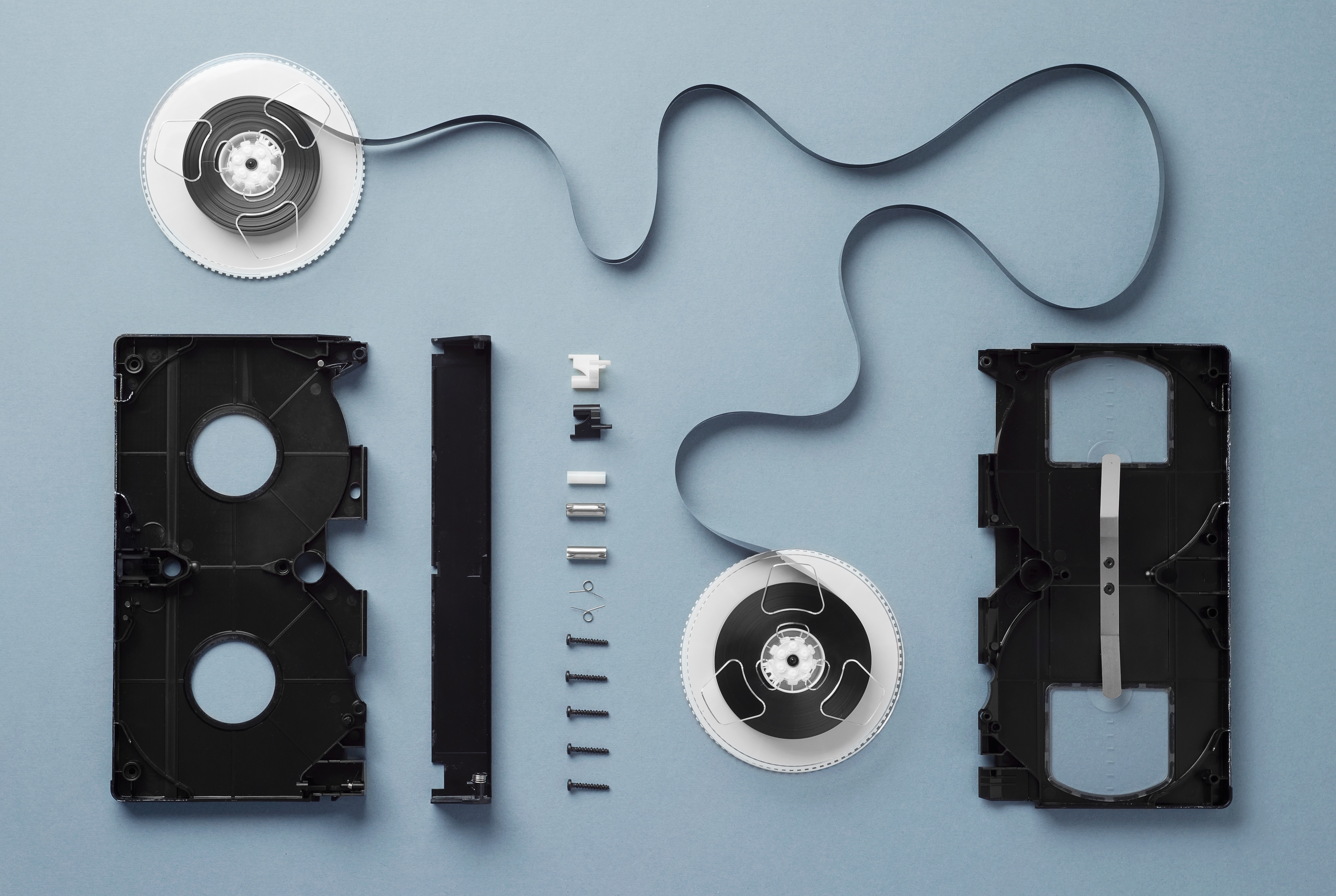
I was born in the late 70s, which means I remember the VHS era very clearly.
Not in a fun fact way. In a this-was-my-Friday-night way.
In Sweden, that meant walking to the local video rental shop. Kind of like Blockbuster, but the slightly dusty neighbourhood version.
Plastic cases. Over-organised shelves. The disappointment of the film already being gone. The silent agreement with yourself that you’d “try something else.” And of course rewinding before returning, because you were not a complete monster.
At the time, VHS felt advanced. Modern. Like this was it.
No one stood there holding a cassette, thinking: “This technology has an expiration date.” And that’s usually how it goes.
Let's talk about it.

Inventions Feel Eternal Until They Don’t
Walking home through Amsterdam tonight, watching people walk, bike, talk, live… I had a thought that wouldn’t let go:
“Why are people still driving cars here?”
Not emotionally. Not ideologically. Technologically. Because the car is an invention. Just like VHS was an invention.
It solved a problem in its time. Long distances. Spread-out cities. Cheap fuel. Speed as the ultimate virtue.
…and the fact that inventions are exciting. But inventions don’t get lifetime contracts.
VHS Didn’t Evolve, It Vanished
VHS wasn’t replaced by a slimmer cassette. It was replaced by no cassette at all.
Streaming didn’t improve the object.
It removed it. No shelves. No rewinding. No late fees. No planning.
And life adjusted remarkably fast.
No one mourned the video store.
We just stopped going.
The Car Is Still Taking Up a Lot of Shelf Space
Today, even the shiny new versions of cars are still very… VHS. Big. Heavy. Space-consuming.
One person per object (most of the time). Requiring enormous infrastructure just to sit still.
Parking garages are shelves.
Roads are playback devices.
Traffic is rewinding, but with more swearing.
We’ve made the machine cleaner, but we haven’t questioned the system.
Which is odd. Because in cities like Amsterdam, the system is already telling us it’s outdated.
Walking and cycling are not “alternatives”. They are the default setting.
When you walk or bike: You see faces. You adjust pace. You stop accidentally.
You exist with others instead of passing through them.
This isn’t romantic. It’s practical.
Cars don’t struggle in cities because people are idealistic.
They struggle because they’re technologically misaligned.
Like trying to rent a VHS when everyone’s streaming.
So Why Are Cars Still Here?
Because systems have a remarkable ability to outlive their usefulness. Habit sticks.
Infrastructure defends itself. Policy lags behind reality.
No one loved rewinding tapes. We just didn’t know a better option yet.
And once we did, the ritual disappeared overnight.
The Car Has Served Its Time
This isn’t about banning cars. It’s about recognising when an invention has completed its assignment.
The car shaped the 20th century. It connected places, enabled mobility, rewrote geography.
But cities have changed. Life has changed.
Our understanding of health, space, and social life has changed.
And like VHS, the car now creates more friction than value in the environments we care about most.
Let’s Wrap This Up
One day, someone will explain cars the way we now explain video rental stores.
“Yes, people used to move around in these big metal boxes. Individually. Even short distances. Even in cities like this.”
And the response will be the same:
“…but why?”
The car doesn’t need a comeback. It needs a respectful retirement.
Its era had a purpose.
That purpose has been served.
Lots of love,
Stina
Get in touch


.svg)