The Supermarket Machine Thinks I'm a Criminal
Self-checkout asks more from your brain and gives less back.
Every week I visit my local supermarket. Every week, I have the exact same relationship with a machine that fundamentally does not trust me.
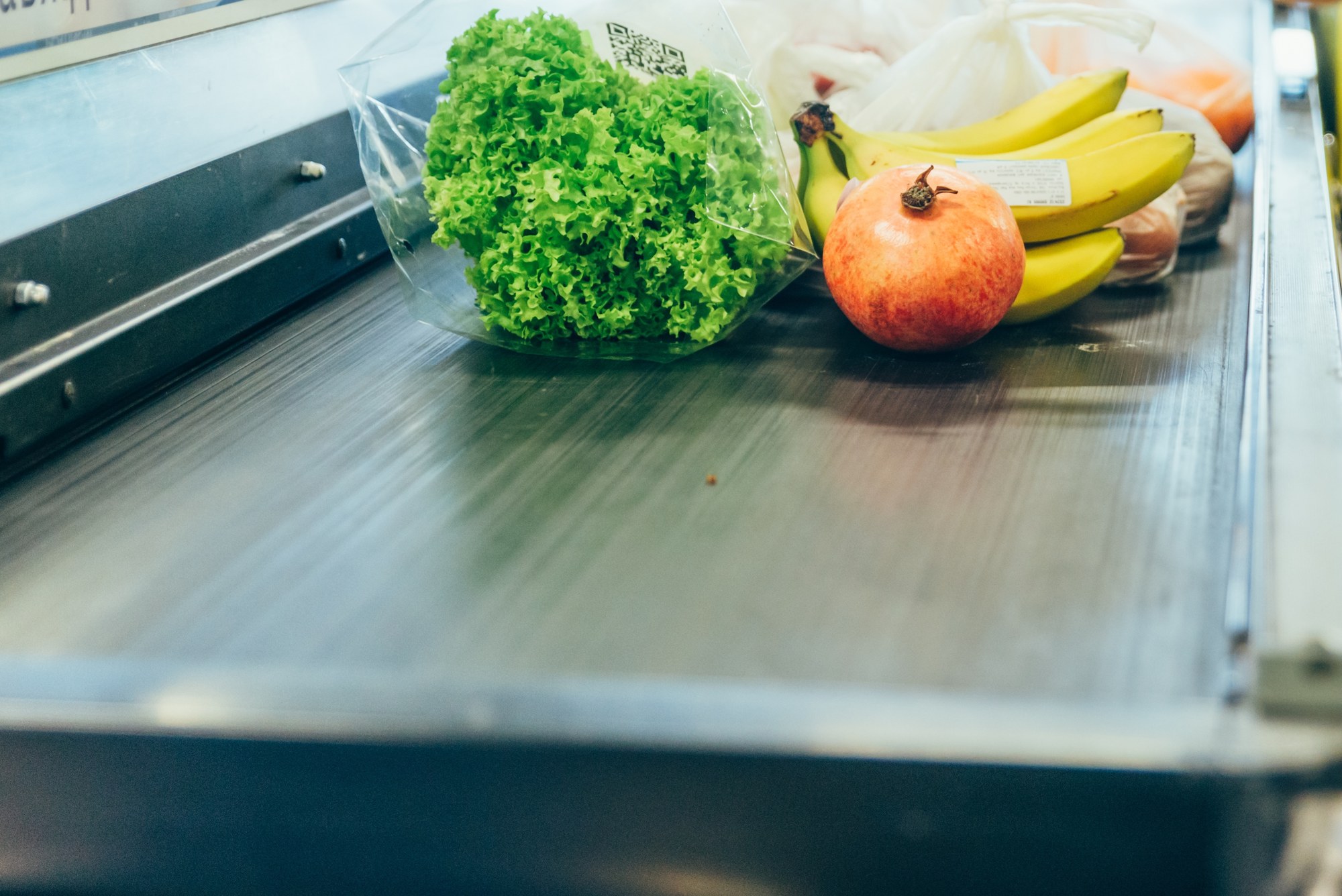
I scan my oat milk. Approved. I scan my bread. Approved. I scan my bananas. Then it happens. “Unexpected item in the bagging area.”
Yes. It’s a banana.
I placed it in the area specifically designed for the groceries I am buying.
Apparently, this was an unexpected move.
A red light starts flashing.
Everything freezes. My shopping has been suspended pending investigation.
So I stand there while the only remaining employee in the store walks over with a small electronic badge that apparently has the power to forgive my crimes. She taps the machine.
Justice has been served. I’m free.
Three seconds later, she’s helping the next customer. Another banana-related incident. Another pardon. She doesn’t really work in a supermarket anymore. She’s become a full-time parole officer for self-checkout machines.
Your Brain Notices, Even When You Don’t
I think this is a great story because it captures something we rarely think about.
It’s incredibly difficult to understand how our modern environments influence our neurological responses. Most of these changes are small. We barely notice them.
Yet they shape how we think, how we feel, and how we move through the day.
Buying groceries should require almost no mental effort. Your brain has done it hundreds of times before. It’s a routine. Then the machine interrupts.
You stop.
You search for the problem.
You wait.
You start again.
On its own, it doesn’t matter very much. The problem is that modern life isn’t built around one interruption. It’s built from hundreds. The QR code doesn’t work. The hotel app can’t find your booking. Another password expires. The supermarket suspects your banana. None of these moments is dramatic. But every one of them asks your brain for a little more attention than it needs.
The Checkout Used To be a Moment With a Person
There’s another change that’s even easier to miss. The supermarket checkout used to be one of those ordinary moments when another person acknowledged your existence.
“Hi.”
“Did you find everything?”
“Have a nice evening.”
A smile.
Eye contact.
A joke about buying too much chocolate. Nobody went shopping for the conversation. That was never the point. These were small moments of human connection woven into everyday life.
Today, many of them have been replaced with instructions from a screen.
Scan item. Place item in bagging area. Wait for assistance. Continue.
We’ve replaced small moments of human connection with small moments of cognitive effort.
We Run On More Than One System
This is what makes the relationship between people and the environments we create so fascinating. We’re not built around one system. We’re built around many.
Our cognitive system is constantly deciding where to spend attention.
Our nervous system is continuously scanning for safety and predictability.
Our social brain is looking for other people.
Good design doesn’t support just one of these systems. It recognises that they’re all working together, all of the time. That’s what makes this supermarket story interesting. The self-checkout doesn’t simply change the way we buy groceries.
It asks a little more of our attention.
It removes a small moment of human connection.
Neither change feels important on its own.
But they’re repeated thousands of times across our cities, workplaces, airports, hotels and shops. Over time, they become part of the biological environment we live in every day.
Let’s Wrap This Up
Technology isn’t the problem. Efficiency isn’t the problem. The challenge is understanding how every decision we make shapes the experience of being human.
Every place we design.
Every service we create.
Every piece of technology we introduce.
They’re all interacting with our biology in ways we rarely stop to consider.
Sometimes they make life easier.
Sometimes they ask a little more from our brains while giving a little less back to our nervous systems.
I think we can do better than that.
Lots of love,
Stina
Get in touch


.svg)