Longevity Lives in the Moments We Share
It lives in connection, in moments the body remembers
Last night, I found myself back at Gardens of Babylon.
I was back with friends.
With my community, finally, after a long absence.
That feeling of walking into something that already holds you.
Everyone shining. Effortless. Alive.
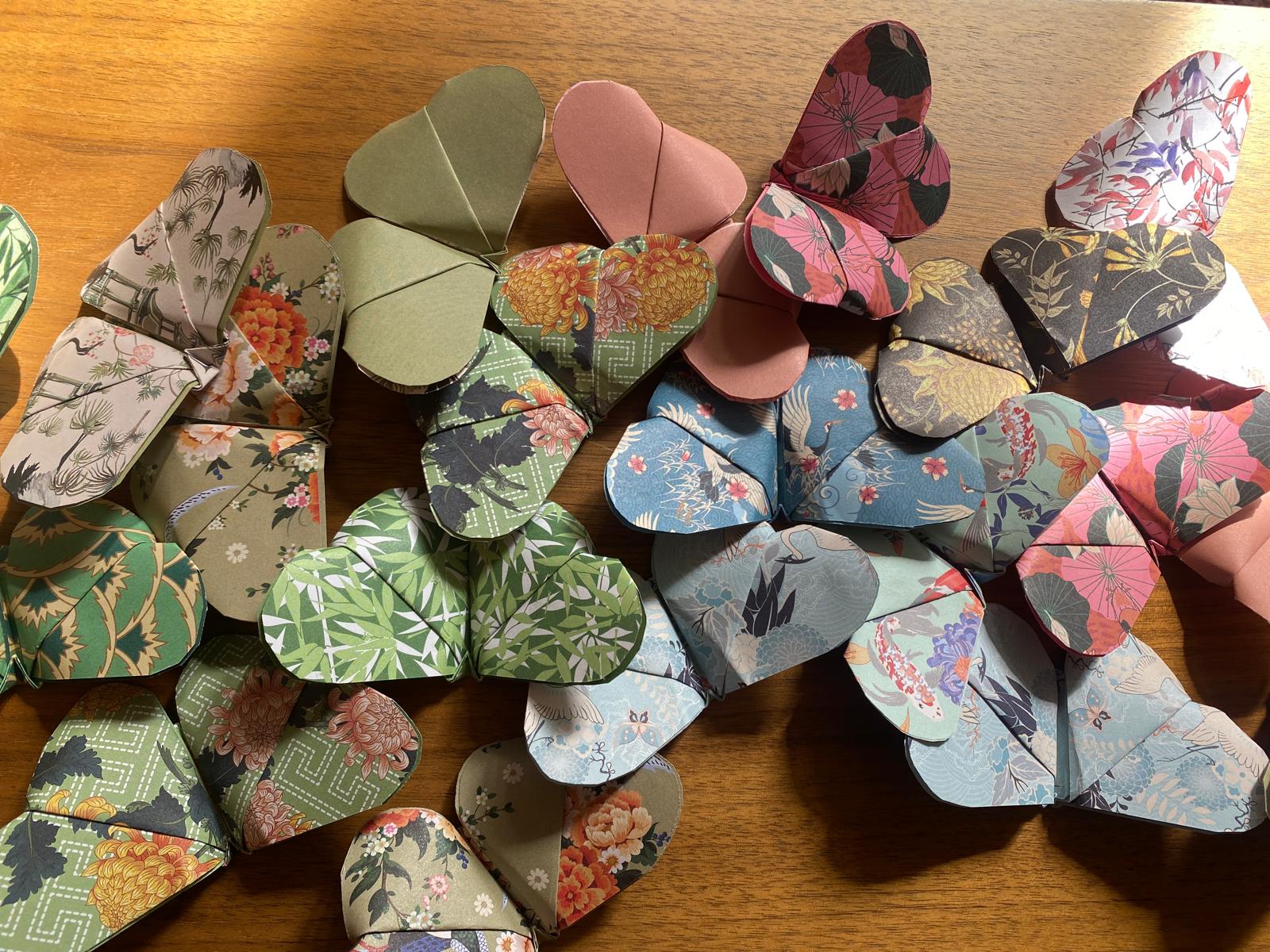
The theme was butterflies.
I had a few small paper butterflies in my bag and handed some out as I moved through the crowd.
There is a moment when you walk into a place and realise the body remembers something the mind never stored.
There was music.
Movement.
People drifting in and out of each other’s rhythm.
There are also those beloved friends you greet with a warm hug, even though you have never exchanged names or numbers.
No context.
No shared history you can explain.
Just… recognition.
At some point, I stopped observing.
My nervous system was regulated, and I was in it.
And somewhere between the dancing, the eye contact, and the quiet familiarity, a thought became very clear.
This has something to do with longevity.
I no longer see longevity as something we reach for in the future.
I see it as something that is shaped quietly, day by day, in the body.
Let's talk about it.
The Concept of Longevity And What is Happening Here
Because something is happening…
Not just socially.
Biologically.
Research shows that social connection influences how the body manages stress and well-being, especially through hormonal responses like those involving oxytocin.
When you feel safe with another person, share touch, or move together, the body releases oxytocin, a hormone involved in social bonding and stress regulation.
It is often described as the “cuddle hormone”.
That makes it sound small.
There is so much more to this.
Oxytocin is linked to the body's ability to manage stress and adapt to challenges.
It plays a role in inflammation.
It supports the body's repair and maintenance.
Some research suggests that oxytocin levels may decrease as we age, which could affect these bodily processes.
When that happens, the body becomes more exposed.
More inflammation.
More strain.
Less efficient recovery.
This is something Dr. Rhonda Patrick has spoken about.
This stress- and repair-related system involving oxytocin may become less active with age. And that it matters for how the body holds itself together.
Now place that next to what happens in a space like this.
Music fills the space.
Bodies moving together.
No need for language.
You move. Someone moves with you.
You smile. Someone responds.
There is touch.
There is rhythm.
There is presence.
The body reads all of this.
Safety.
Connection.
Belonging.
Oxytocin is released.
The nervous system settles.
The body shifts out of alertness.
And its not because you decided to relax.
Its because the environment made it possible.
What This Could Mean
If oxytocin supports repair, reduces stress, and plays a role in how we age, then these moments are not just enjoyable.
They help the body recover and regulate.
They keep it resilient over time.
This brings longevity closer to everyday life.
Closer to the spaces we enter.
The people we meet.
The moments where the body feels at ease.
Back To The City
Most days look different.
We move fast.
We interact briefly.
We stay in our own space.
Connection becomes limited.
Touch becomes rare.
Recognition disappears.
The body adapts.
Less oxytocin.
More alertness.
Less recovery.
This is about the environments we spend time in.
Which is why nights like this matter.
They bring something back.
Let’s Wrap This Up
A long life is not only about years.
It is about how the body carries those years.
How often it can relax.
How often it can feel safe with others.
How often it experiences real connection.
Maybe events like this are more than gatherings. (I know they are.)
Maybe they support something deeper.
A kind of medicine.
Not in a clinical sense.
But in the way they give the body what it needs.
Connection.
Rhythm.
Presence.
And maybe that is part of how we stay well.
Lots of love,
Stina
Get in touch


.svg)