A Temporary Village, Built to Last
Community isn’t found, it’s revisited.
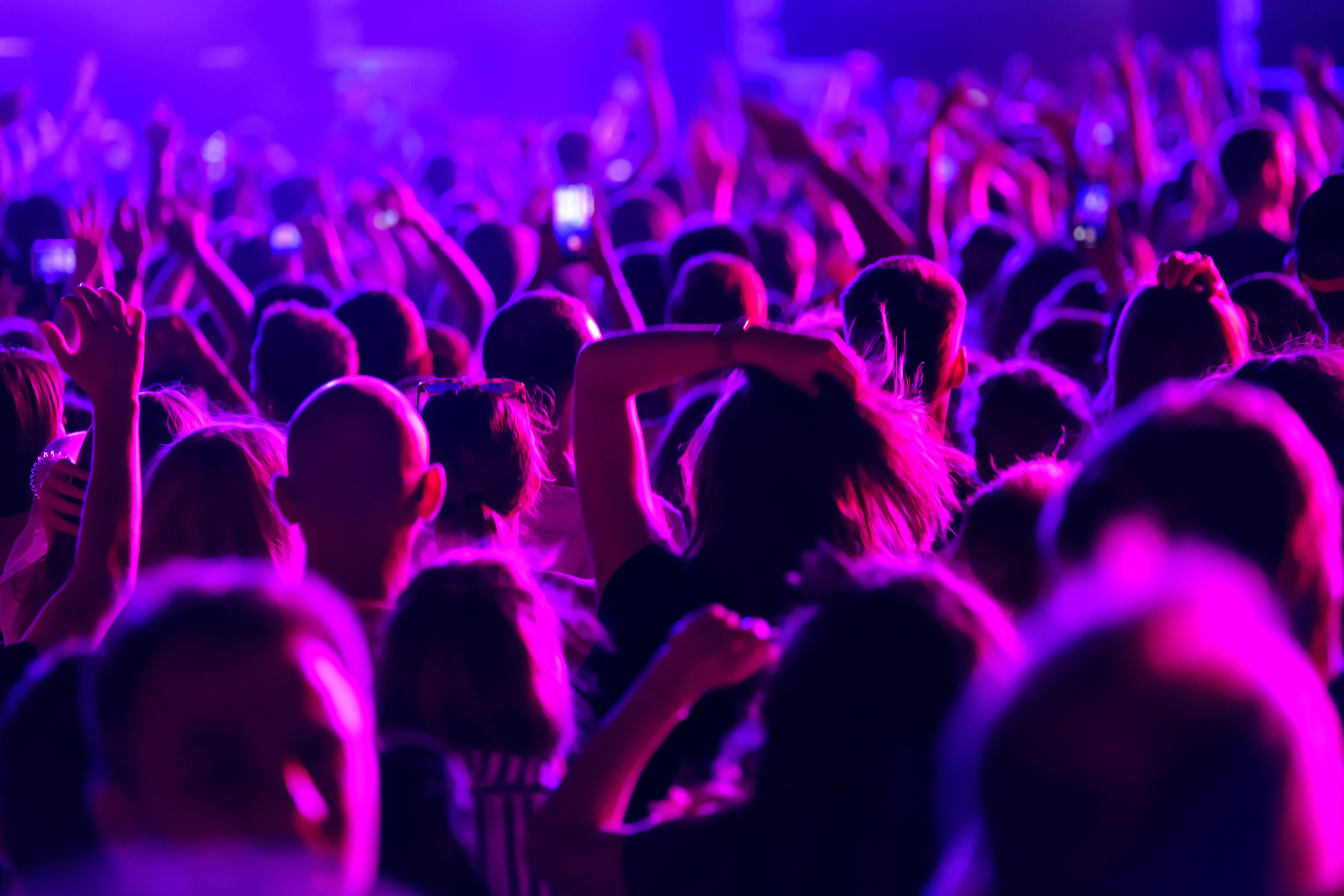
Every year, at the very end of December, the last Saturday and Sunday, when time feels thin, and people start talking about “fresh starts” and other promises, there is a two-day music gathering in Amsterdam, the city where I live, called Gardens of Babylon.
I never quite know what to call it.
Festival feels too big.
Club night feels too small and generic.
“Electronic music event” feels like something you’d say to your accountant.
So maybe the most accurate name is simply this:
“A temporary village.”
For years, I’ve gone.
Not always with a plan. Often without one.
I’ve danced. Hugged. Lost my voice.
Found familiar faces in unexpected corners.
Made friends I still have today, real ones, not just “we once followed each other on Instagram” ones.
It’s one of those places where, at some point during the weekend, you realise you’re no longer scanning the room.
You already belong.
But this year, I didn’t go.
The reasons aren’t important. Life happened. Logistics happened.
Energy levels had their opinions…
But when that final weekend of the year arrived, and the photos started appearing…
..faces I know, smiles I recognise, that very particular mix of joy, exhaustion and glitter, I felt it.
Not FOMO exactly.
Something quieter.
Something heavier.
I had missed a ritual.
Being an Alien (and Why That Matters)
As you know, and as I’ve written about many times, I’m an alien in this country.
I’m Swedish.
I live in Amsterdam. I work here. I bike like a local. I know the codes.
But I wasn’t born into the social fabric.
Belonging, for me, has never been automatic.
It’s something I’ve had to build.
Carefully.
Repeatedly.
Sometimes awkwardly.
And I pay close attention to places where that building becomes possible, not only because I need them personally, but because it’s part of my work.
My professional life often revolves around understanding how belonging forms.
How community emerges.
What makes people return, linger, recognise eachother, and feel at home in a place that isn’t technically “theirs”.
So when a gathering like Gardens of Babylon keeps reappearing, same city, same weekend, same rhythm, year after year, I notice.
Not because it’s exclusive.
But because it’s consistent.
And for someone who moved here as an adult, that consistency is pure gold.
It removes the constant question of: Do I belong here?
You don’t have to earn your place every time.
You simply return.
These Aren’t Just Parties, They’re Infrastructure
We tend to talk about community as if it’s something abstract.
A nice side effect.
Something that happens if the weather is good and people are “open”.
But in practice, and in my work, community is built through repetition.
Same place.
Same timing.
Same shared experience, layered over time.
Events like Gardens of Babylon aren’t just about music.
They function as social infrastructure.
They create predictability in a world that offers very little of it.
They lower the threshold for belonging.
They allow people to plug into something already in motion.
That matters more than we admit.
Especially in cities like Amsterdam, where many people arrive from elsewhere and where social life can feel both open and strangely hard to enter.
The Subtle Magic of the Familiar Stranger
One of the most underestimated forms of belonging is the familiar stranger.
The person you don’t know well but recognise instantly.
You’ve danced next to them before.
Nodded at each other across a room without ever exchanging names.
Gardens of Babylon is full of them.
And over time, some of those familiar strangers become friends.
Others remain what they are, proof that you are part of something larger than your immediate circle.
There’s comfort in that.
It’s social safety without obligation.
Connection without performance.
And when you miss it, you notice.
Not in your calendar.
But in your body.
There’s also a reason this kind of gathering feels different.
Yes, this is the part where my inner neuroscience nerd quietly clears her throat.
When people move together, repeatedly, to the same rhythm, something called interpersonal synchrony kicks in.
Bodies begin to align.
Breathing patterns soften.
Heart rates subtly entrain.
The nervous system reads the room as safer, warmer, more familiar.
This isn’t poetry. It’s physiology.
I’ve written about this before, in This Is Your Brain on Dancing, how shared movement increases oxytocin, dampens threat responses, and creates a sense of togetherness long before we’ve exchanged names or stories.
Dancing together quite literally tells the body: you are not alone here.
And yes, I’m fully aware that this is the moment where I risk becoming the person at the party who says things like “collective rhythm regulates the vagus nerve”.
And where one of my dutch friends would comment in this dutch strait forward way I yet have to get used to “this is why you're single”.
But hear me out.
Once you know it, you can’t un-know it.
Those moments on the dance floor, when a room moves as one, when smiles spread without effort, when strangers feel oddly familiar, that’s not just joy.
It’s biological belonging.
Which might explain why, when I didn’t go this time, I didn’t just miss the music.
I missed the regulation.
Let’s Wrap This Up
This time, I didn’t go.
Next time, I probably will.
Not because I need another party.
But because I need the reminder.
That belonging is built through repetition.
That community doesn’t always look like small talk and dinner plans.
That sometimes, it looks like dancing next to the same faces, year after year, in a temporary village in the city you now call home.
And that these spaces, fragile, non-essential on paper, are quietly doing essential work.
Lots of love,
Stina
Get in touch


.svg)